
Plasma IQ Rancho Cucamonga
Non-surgical treatment for select skin tags, provider-cleared benign moles, and targeted skin tightening.
Small skin tags, raised benign spots, and mild skin laxity can be frustrating, especially when they affect visible areas like the face, neck, eyelids, chest, or décolleté.
At Gardenia Aesthetics & Wellness in Rancho Cucamonga, we offer Plasma IQ treatments for selected cosmetic concerns, including skin tag removal, provider-cleared benign lesion treatment, and non-surgical skin tightening.

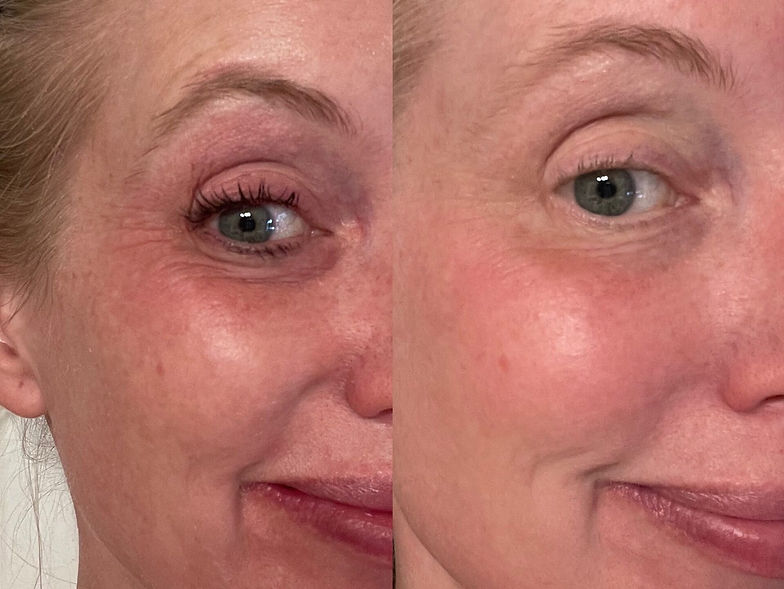

Plasma IQ uses focused energy to create controlled, precise treatment points on the skin. This can help remove selected superficial benign lesions and support skin tightening through the body’s natural healing response.
Every treatment starts with an evaluation. We do not treat suspicious moles, changing lesions, bleeding spots, irregular pigmented lesions, or anything that may need biopsy or dermatology evaluation.
Safety First!
Consultation required. Results vary. Suspicious, changing, bleeding, painful, irregular, or concerning lesions may require dermatology referral or biopsy.

Plasma IQ Treatments at Gardenia Aesthetics & Wellness
Consultation required
Select skin tag treatment
Provider-cleared benign mole concerns
Non-surgical skin tightening
Precise treatment areas
Located in Rancho Cucamonga
What Is Plasma IQ?
Plasma IQ is a portable micro-electrosurgery device used for precise cosmetic skin treatments. The manufacturer describes Plasma IQ as an electric micro-scalpel designed to address loose and sagging skin and support skin regeneration. It works through controlled skin sublimation, which creates precise treatment points and tightening of the skin tissue.
Plasma IQ may be used for selected cosmetic concerns such as:
Skin tags
Provider-cleared benign moles or raised benign lesions
Small benign skin imperfections
Fine lines
Mild skin laxity
Eyelid laxity concerns
Crepey skin
Neck and décolleté texture
Small areas of loose-looking skin
Plasma IQ is not a replacement for medical dermatology evaluation. Any lesion that looks suspicious, has changed, bleeds, hurts, itches, or looks different from your other spots should be evaluated before cosmetic treatment.
Two Common Plasma IQ Treatment Goals
At Gardenia Aesthetics & Wellness, Plasma IQ is commonly used for two different cosmetic goals.
Skin Tag and Benign Lesion Treatment
This is for selected skin tags or provider-cleared benign raised spots that bother you cosmetically or physically.
Plasma IQ Skin Tightening
This is for small areas of mild laxity, crepey texture, fine lines, or loose-looking skin where you want a non-surgical tightening option.
Your consultation determines which treatment path is appropriate for your skin, concern, healing risk, and goals.


Plasma IQ for Skin Tag Removal in
Rancho Cucamonga
Skin tags are small, soft, benign growths that often appear on areas where skin rubs together, such as the neck, underarms, chest, eyelids, or skin folds.
Plasma IQ can be used to treat selected skin tags by applying precise energy to the targeted area. The goal is to remove or reduce the unwanted tag while keeping the surrounding skin as protected as possible.
This treatment may be appropriate for:
Small skin tags
Neck skin tags
Chest skin tags
Underarm skin tags
Face or eyelid-area skin tags, when appropriate
Raised benign spots that have been evaluated
Cosmetic lesions that are not suspicious
Not every bump is a skin tag. A consultation is required to determine whether Plasma IQ is appropriate.
Can Plasma IQ Remove Moles?
Plasma IQ may be used only for selected, provider-cleared benign mole concerns or raised benign lesions. It should not be used to cosmetically treat a mole that is suspicious, changing, irregular, bleeding, painful, itchy, or concerning.
This distinction matters. Moles can sometimes resemble skin cancer or other conditions that require biopsy. The FDA warns that moles should be evaluated by a healthcare practitioner, and that self-diagnosis or self-treatment of moles can delay cancer diagnosis and treatment.
You should seek medical evaluation before cosmetic treatment if a mole or spot has:
Asymmetry
Irregular borders
Multiple colors
Diameter larger than a pencil eraser
Evolution or recent change
Bleeding
Pain
Itching
Crusting
Rapid growth
A different appearance from your other moles
The American Academy of Dermatology recommends prompt evaluation for moles or pigmented spots that show the ABCDE warning signs of melanoma.
Clinic Safety Policy:
At Gardenia Aesthetics & Wellness, we do not treat suspicious lesions with Plasma IQ. If a lesion needs medical evaluation, biopsy, or dermatology care, we will recommend that first.
Plasma IQ Skin Tightening in
Rancho Cucamonga
Plasma IQ can also be used as a non-surgical skin tightening treatment for selected areas of mild laxity, fine lines, and crepey-looking skin.
The treatment creates precise points on the skin surface. As the skin heals, the treated area may look tighter, smoother, or more refined. Plasma IQ is commonly selected for small, delicate areas where precision matters.
Plasma IQ skin tightening may help improve the appearance of:
Loose-looking eyelid skin
Fine lines around the eyes
Crow’s feet area, when appropriate
Lip lines
Crepey neck skin
Décolleté texture
Mild lower-face laxity
Small areas of loose-looking skin
Texture irregularities
This is not a surgical facelift, eyelid surgery, or neck lift. Plasma IQ is best for patients with mild to moderate cosmetic concerns who understand that results are gradual and vary.
How Plasma IQ Works
Plasma IQ uses focused energy to create controlled treatment points on the skin. The device does not need a surgical incision. Instead, it creates precise surface-level effects that can help shrink tissue, remove selected superficial lesions, and trigger a healing response.
The manufacturer describes Plasma IQ as using skin sublimation to create controlled and precise skin lesions that tighten and shrink skin tissue.
For skin tags and selected benign lesions:
The energy is directed at the unwanted growth to help remove or reduce it.
For skin tightening:
The energy is applied in a controlled pattern to help contract the skin and support a firmer-looking result as healing occurs.
Common Plasma IQ Treatment Areas
Plasma IQ may be used on selected face and body areas after evaluation.
Skin Tag and Benign Lesion Areas:
Neck
Chest
Underarms
Upper torso
Face
Eyelid-area skin tags, when appropriate
Skin folds
Small raised benign spots
Skin Tightening Areas:
Upper eyelids
Lower eyelids
Crow’s feet area
Around the mouth
Neck
Jawline
Décolleté
Small crepey areas
Not every area is safe for every patient. Treatment depends on skin type, healing risk, lesion type, location, and provider assessment.
Who Is a Good Candidate for Plasma IQ?
Plasma IQ may be a good option if you want a non-surgical treatment for selected cosmetic skin concerns.
You may be a good candidate if you:
Have small skin tags you want removed
Have a provider-cleared benign raised lesion
Want mild skin tightening without surgery
Have fine lines or crepey texture
Can follow aftercare instructions
Can avoid sun exposure during healing
Understand that scabbing and downtime are expected
Do not have a suspicious or changing lesion
Have realistic expectations
Your provider will evaluate your skin, lesion type, healing history, pigmentation risk, medications, and treatment goals before recommending Plasma IQ.
When Plasma IQ May Not Be Right for You
Plasma IQ is not appropriate for every skin type, lesion, or medical history.
You may need to delay treatment or be referred for evaluation if you have:
A suspicious mole or changing lesion
A lesion that bleeds, crusts, hurts, or grows quickly
Active skin infection
Open wounds
Recent sunburn
Recent tanning
History of keloids or poor wound healing
Uncontrolled diabetes
Pregnancy or breastfeeding concerns
Photosensitizing medications
Recent isotretinoin use
Active inflammatory skin disease in the area
Higher risk for post-inflammatory hyperpigmentation
Unrealistic expectations
Plasma treatments can cause pigmentation changes, scarring, pitting, or prolonged irritation when used incorrectly or on poor candidates. At-home plasma pens and unregulated self-treatment are especially risky. FDA-related warnings about unapproved mole and skin tag products also emphasize the risk of injury, scarring, infection, and delayed diagnosis when lesions are treated without proper evaluation.
What to Expect During
Plasma IQ Treatment
Your visit begins with a consultation. Your provider will examine the area, review your goals, and decide whether Plasma IQ is appropriate.
For skin tags or benign lesion treatment, your provider will evaluate the spot before treatment. If the lesion looks suspicious or needs medical diagnosis, you may be referred for further evaluation instead of cosmetic removal.
For skin tightening, your provider will evaluate skin laxity, treatment area, skin type, and downtime tolerance.
Typical appointment steps:
Skin assessment
Medical history review
Treatment plan discussion
Consent and photos, when appropriate
Cleansing of the area
Topical numbing, when appropriate
Plasma IQ treatment
Aftercare instructions
You may feel warmth, tingling, or brief discomfort during treatment. Comfort varies by area and sensitivity.
What Is the Downtime After
Plasma IQ?
Plasma IQ is non-surgical, but it is not a no-downtime treatment.
After Plasma IQ, you may have visible treatment dots, crusting, scabbing, redness, swelling, tenderness, dryness, tightness, or temporary discoloration. These effects are expected as the skin heals.
For skin tag or benign lesion treatment, the treated spot may darken, crust, and gradually separate as it heals.
For skin tightening, small carbon crusts or dots may appear in a pattern over the treated area. These should not be picked.
Healing time varies based on the treatment area, intensity, skin type, aftercare, and individual healing response.
When Will I See Plasma IQ Results?
Results depend on the treatment goal. Skin Tags and Benign Lesions: The treated area may crust and gradually shed. Some spots may need more than one treatment depending on size, location, and response.
Skin Tightening: Some tightening may appear early, but improvement can continue as the skin heals and remodels.
Final results vary and may take weeks to months to assess.
Typical timeline:
Same day: Redness, swelling, warmth, and visible treatment points may appear.
Days 1 to 7: Crusting, scabbing, tightness, or swelling may be present.
Weeks 2 to 6: Skin may continue to calm and refine.
Months 2 to 3: Skin tightening results may become easier to assess.
Results vary. Some patients need additional sessions.
How to Prepare for Plasma IQ
Proper preparation helps reduce risk and support healing.
General pre-care may include:
Avoid sun exposure before treatment
Do not arrive with sunburned skin
Avoid tanning beds and self-tanner
Pause retinoids if instructed
Pause strong exfoliants if instructed
Tell your provider about recent lasers, peels, or microneedling
Tell your provider about medications and supplements
Tell your provider about cold sore history
Tell your provider if the lesion has changed
Avoid treatment before major events
Plan for visible healing time
Do not stop prescription medication unless your prescribing clinician tells you to.
Plasma IQ Aftercare
Aftercare is important for healing and cosmetic outcome.
General aftercare may include:
Keep the area clean and dry as instructed
Do not pick scabs or crusts
Avoid makeup on the treated area until cleared
Avoid direct sun exposure
Use sunscreen once cleared
Avoid harsh skincare products until healed
Avoid retinoids and acids until cleared
Avoid heat, sauna, and heavy sweating if instructed
Do not scratch or rub the area
Contact the clinic for severe pain, spreading redness, drainage, blistering, or infection concerns
Picking at the treated area can increase the risk of scarring, pigmentation changes, and delayed healing.
Why Choose Gardenia Aesthetics & Wellness for Plasma IQ in
Rancho Cucamonga?
Plasma IQ treatment requires careful patient selection, conservative technique, and clear aftercare. The goal is not just to remove or tighten. The goal is to treat the right concern safely and appropriately.
At Gardenia Aesthetics & Wellness, we take a cautious approach to Plasma IQ. We evaluate your skin, lesion type, healing risk, pigmentation risk, and treatment goals before recommending treatment.
What makes our approach different:
We require evaluation before treatment
We do not treat suspicious lesions cosmetically
We use conservative treatment planning
We explain downtime clearly
We review risks and aftercare
We help determine whether skin tightening or lesion treatment is appropriate
We are located in Rancho Cucamonga for convenient local care
Plasma IQ Near You in Rancho Cucamonga
Gardenia Aesthetics & Wellness offers Plasma IQ treatments in Rancho Cucamonga for selected skin tags, provider-cleared benign mole concerns, and non-surgical skin tightening.
We also serve nearby Inland Empire communities, including Upland, Ontario, Fontana, Alta Loma, Claremont, and surrounding areas.
Whether you are interested in skin tag removal, cosmetic benign lesion treatment, eyelid-area tightening, neck tightening, or improvement in small areas of crepey skin, we can help you determine whether Plasma IQ is appropriate.
Plasma IQ FAQ
What is Plasma IQ used for?
Plasma IQ may be used for selected skin tags, provider-cleared benign raised lesions, and non-surgical skin tightening. It is commonly used for small, precise treatment areas.
Can Plasma IQ remove skin tags?
Yes, Plasma IQ may be used to treat selected skin tags after evaluation. Your provider must confirm that the spot is appropriate for cosmetic treatment.
Can Plasma IQ remove moles?
Only selected provider-cleared benign mole concerns may be considered. Suspicious, changing, bleeding, painful, irregular, or concerning moles should not be cosmetically treated with Plasma IQ. They may need dermatology evaluation or biopsy.
Why do moles need evaluation before removal?
Some skin cancers can look like moles or benign spots. Treating a suspicious lesion cosmetically could delay diagnosis. Any changing, irregular, bleeding, painful, or unusual spot should be medically evaluated first.
Is Plasma IQ good for skin tightening?
Plasma IQ may help improve the appearance of mild skin laxity, fine lines, and crepey texture in selected areas. It is not a replacement for surgery.
Does Plasma IQ hurt?
Comfort varies. You may feel warmth, tingling, or brief discomfort. Topical numbing may be used when appropriate.
Is there downtime after Plasma IQ?
Yes. Plasma IQ can cause visible dots, crusting, scabbing, redness, swelling, tenderness, and temporary discoloration while the skin heals.
How long does Plasma IQ take to heal?
Healing varies by area, treatment intensity, and skin type. Many patients have visible crusting or redness for several days, with continued skin recovery over the following weeks.
Can I wear makeup after Plasma IQ?
Avoid makeup on the treated area until your provider clears you. Applying makeup too early may irritate the skin or increase infection risk.
Can Plasma IQ be done on darker skin tones?
Plasma IQ may carry a higher risk of post-inflammatory hyperpigmentation in some skin types. Your provider will assess your skin tone, history of pigmentation, and healing risk before treatment.
How many Plasma IQ sessions do I need?
Some skin tags or small benign lesions may respond after one treatment. Skin tightening may require more than one session. Your provider will recommend a plan after evaluation.
How do I book Plasma IQ at Gardenia Aesthetics & Wellness?
You can book a Plasma IQ consultation online or contact Gardenia Aesthetics & Wellness to ask about skin tag removal, benign lesion treatment, or skin tightening in Rancho Cucamonga.